Isn’t that just a passport with an rfid chip? That’s found everywhere including the UK.
1 Like
dead excited to try this one out 
Its been a year since the suggested release, probably got swept under the carpet
1 Like
E-passport or biometric passports are not new to the UK. They started to roll out from 2006
https://www.gov.uk/government/publications/biometric-passports-and-passport-readers/biometric-passports-and-passport-readers
Now that Apple has allowed the UK government access to the NFC sensor in iPhones (for the EU settlement scheme later this year) it will be interesting to see what else they will be allowed to do with it.
3 Likes
I remember reading about this and thought it was really interesting.
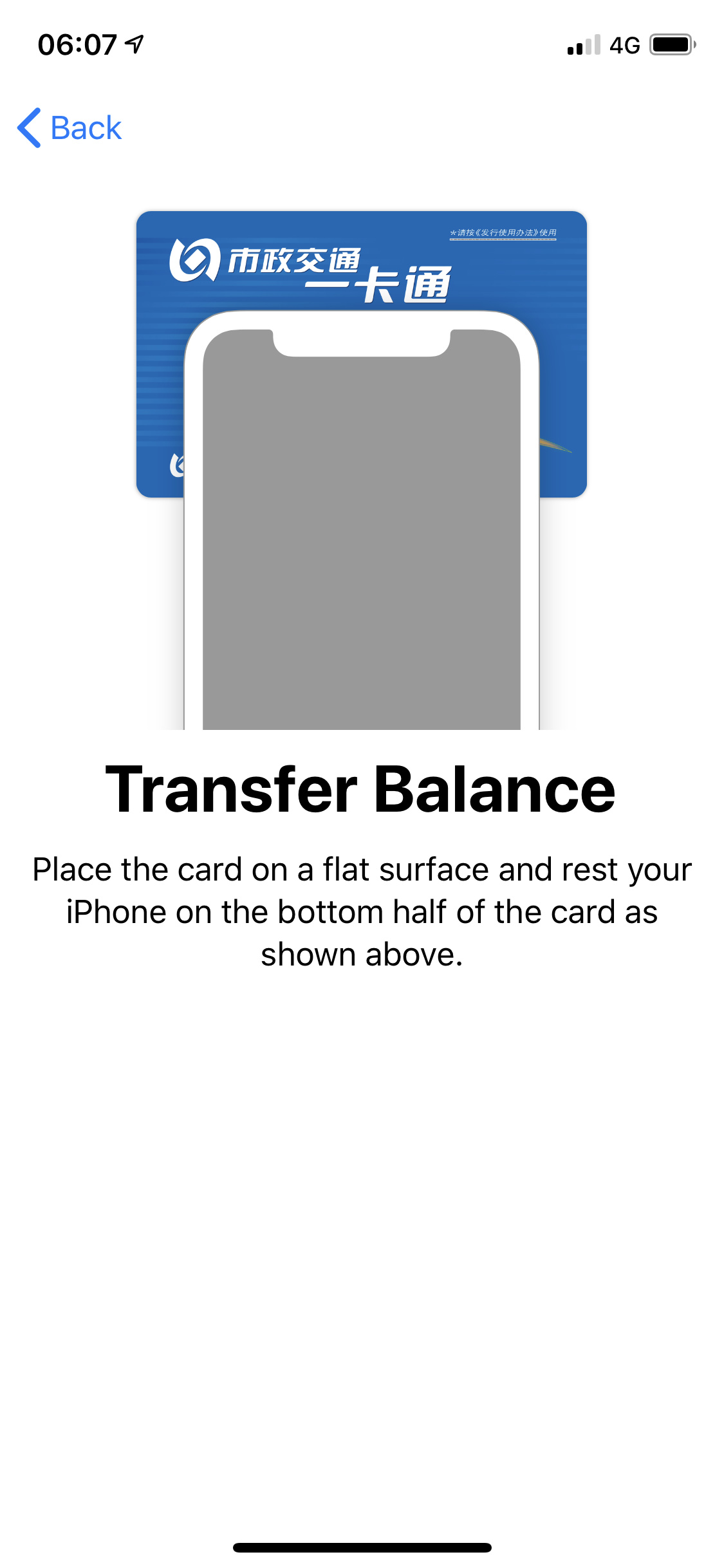
One way it’s been implemented already is that for transit cards when setting one up - you get the option of setting up a new one or holding your iPhone on top of your current one to suck up the balance so there’s definitely some interesting applications.
1 Like
As far as I know, this is why they still have Oyster, because they literally don’t have a way of doing this. TfL can store stuff on Oyster cards, while with contactless payment cards they can’t. Therefore, they will need to keep Oyster around just for that, even though every single sign and communication to do with Oyster has a message saying “hey use contactless it’s the same”.
Express Transit has actually been a thing in Japan for a while; my Suica is actually set as mine from when I was in Japan last year. I’m happy it’s available properly now, but I’m also waiting for the point where we can have oyster cards in apple pay, like Suica, and top them up with Apple Pay 


5 Likes
You must be right but I don’t understand why they couldn’t do it.
You can already link contactless to your TfL account so they know what you’ve spent etc. You get authorised with first touch but then don’t actually get charged until day’s end anyway, so they could surely link your card to a travelcard and just not charge you for anything included with that?
2 Likes
Can’t they just link the travel card to a card number on the server-side?
I suppose it’s because if people are using mobile payments like Apple Pay and google pay it randomisers the card number every time they tap in and uses the base device specific number (seen in your wallet app for Apple Pay)
Which is why if you use your watch to tap in and out for one day and then your phone it resets the weekly cap as far as I’m aware.
I’m gonna guess a lot of the ‘transit systems’ are proprietary technology, so will communicate with different devices and banks and cards, in a different way. Hence why Apple currently only support what they support.
In Glasgow, the Subway uses a system called Bramble, which I think was developed by SPT themselves so not imagining it’ll get updated any time soon to support this.
Probably makes more sense to link them to your TfL account, and you register your cards with that. So you’d be able to buy a ‘monthly travelcard’ and it’ll work no matter which debit/credit card or phone/watch device you use.
They get enough data to know which ‘real’ card number it is to link it online, so once you register your card online, you can see your history from tapping with your phone. So it’s not a fully random/anonymous number that some people assume.
1 Like
It still is the device specific number that does the transaction initially. It’s only because a person can register their card with TFL, which is where they would have the actual card details stored on their system.
So paying with mobile payment in normal circumstances would be the card details are not shared properly. But a secure key sent from your bank to the merchant for the one time transaction.
Sure, but then TfL have your card on their system, and the Oyster gate has your device ID, but it still manages to link the two…
Yes because once TfL gets the initial connection it gets a key from the bank to complete the transaction. Which is where they can link it. Both apple and google have articles that go into how transactions are completed with mobile payments
TfL (and other transport providers) have a special setup that allows them to receive an ID that links physical card numbers to device card numbers in the response message through Mastercard. 
4 Likes
Since TfL can’t edit data on the card, revenue protection people on trains (they do exist on the tube) can’t know to ask for the railcard when they scan your contactless card and have no signal to check the backend database. Oyster, on the other hand, have the railcard number and expiry date saved onto the card itself.
When revenue protection take readings of everyone’s contactless payment cards, if you didn’t tap in before the reading took place, I believe the maximum fare is taken when it’s processed later. While with Oyster, they can request railcard/ID immediately and fine you if you don’t have it with you.
This is probably the reason. Happy to be proven wrong.
1 Like
That is basically it. 
1 Like
If only the underground had phone signal like in Japan 
I dread that day. There’ll be people chatting interminably on their phones during every minute of your commute.  Others showing off by being particularly loud.
Wifi throughout the network would be great (including between stations), but do we really need full network signal?
1 Like