It’s not all fintech and we don’t always get the full story.
Barclays would close accounts for repeat claimants of fraud, in a way that was either too coincidental or there was enough evidence to satisfy the regulator (if they needed to) that exiting the customer was the right thing to do.
If they can’t afford a few thousand quid here and there they are probably going to bankrupt soon either way. Also potential for legislative change adversely affecting income is one of the risks any startup investor or senior employee should be aware of, especially in a bank.
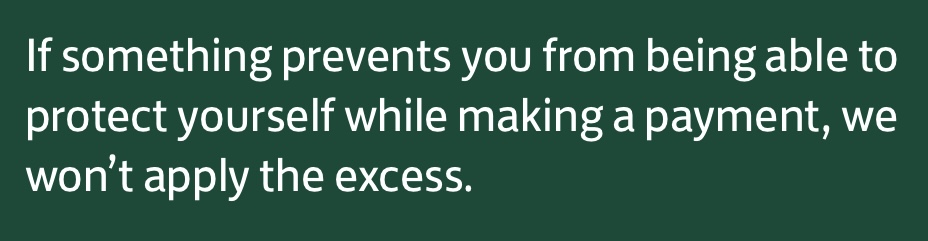
Barclays email came in to tell me about the new regulations, and it clearly states:
So are banks going to be able to refuse claims if they have shown such an alert and you just clicked through it? Do they do so now (refuse if you click through alert)?
I appreciate the excess part. It’s hard to disagree with that.
People need to face consequences for their actions, particularly if they’ve ignored warnings, and ideally, this will make them think twice in the future, ultimately making things tougher for scammers in the long run.
However, I have a feeling there are several ways people could quite easily make illegitimate claims to have the fee waived
There are precedents for this because it’s a similar rule for card fraud.
Keeping your PIN number on a post it in your wallet, or telling it to a friend so she can buy a round in the pub with your card might be considered gross negligence for example.
The bank would decide, if you disagreed you could appeal to the ombudsman who would make a final decision
That’s at the bank’s discretion though so could be different bank to bank. And Monzo have already said they won’t give too many details of when they’ll apply it. I’d just assume it’ll be applied, to be honest.
Although banks could also opt not to charge the excess in any circumstances they want, the rules make clear it’s optional to apply. But most likely both will just stick to the legislation.